Keeping your motorbike from being stolen — at home and on tour
About 25,000 motorbikes are stolen in the UK each year and the recovery rate sits around 40%. The good news: thieves are mostly opportunists, and a moderately-defended bike is enough work that they'll pick someone else's instead. This guide covers the practical kit and habits that actually move the needle.
How bikes actually get stolen
Knowing the playbook tells you what to defend against. Most bike theft is one of three patterns — opportunistic from a driveway, targeted from a public spot after being scouted, or lifted into a van in under two minutes by an organised crew.
From home
Around half of UK bike thefts happen at the owner's address. Bikes on driveways, behind wooden side-gates, or in unlit garages get walked off in the small hours. Thieves often scout daytime and return at 2–4am with a van and a battery-powered angle grinder.
From public parking
A handful of bays at busy stations, shopping centres and tourist car parks are hit repeatedly. Locks get cut, the bike is rolled to a waiting van or out of frame of the nearest camera. Often a two-person job — one cuts, one watches.
Battery angle grinders changed the game
Until the late 2010s, cutting through a 16mm hardened chain in the street was a 15-minute job. With modern brushless cordless grinders it's 30–60 seconds. Anyone relying on a single chain is relying on luck.
At home — the most important place to get right
Most bikes are stolen from where their owner sleeps. A few hours of work and a couple of hundred pounds in kit makes you a wildly less attractive target.
Don't leave keys near the door
Modern keyless bikes can be hot-wired in seconds via a relay attack — one thief amplifies the signal from inside your house, the other unlocks and rides off. Store keys in a Faraday pouch or a metal tin, well away from external walls.
Ground anchor
A hardened steel anchor bolted into a concrete floor (or resin-bonded into brick) is non-negotiable. Pragmasis Torc, Almax Anchor, Oxford Brute Force. Mount it in the garage floor or driveway so the chain runs through the bike frame, not just a wheel.
Chain + disc lock, not chain alone
A chain anchors the bike. A disc lock makes the bike unrollable, so a thief can't push it to a quieter spot to cut the chain. Use both. A Sold Secure Diamond rated 16mm+ chain through the frame, an alarmed disc lock on the front rotor.
Cover the bike
Out of sight is most of the battle. A plain dark cover that hides the brand and model means nobody driving past at night sees an expensive sportbike. Cheap, fast, surprisingly effective.
Lighting and movement detection
PIR-triggered floodlights on the driveway. A motion-activated camera (Reolink, EUFY, Ring) at the garage door. Alone they don't stop a determined thief but they push the lazy ones onto the next target.
Garage door — get a proper one
Wooden up-and-overs are kicked in. Cheap roller doors are jemmied open in seconds. A Garador with internal deadlocks, or a steel side-hinged door with two locks, is the realistic minimum if the bike lives in the garage.
On the road — locking up where you're staying
On tour you're stopping at hotels, ferries, restaurants, ferry queues, fuel stations. Each is a chance for someone to walk off with the bike. The defensive kit gets smaller; the principles stay the same.
Pre-book bike-friendly hotels
Many continental hotels list 'parking moto' or 'garage' in their facilities. Booking.com lets you filter for 'secure parking' — use it. Confirm by email before booking. The fee is usually €5–€15 and worth every cent.
If there's no hotel garage
Park where the front-desk staff can see the bike from their counter. Failing that, under a street light, in view of a café window, or next to other bikes (you don't have to be faster than the bear). Cover it. Lock to something immovable if possible.
Carry a real chain, not just a cable
Cable locks are theft deterrents only against amateurs. A 1m hardened chain (Pragmasis Protector 16mm, Almax Series III) weighs ~4kg but goes through frame + railings. Pannier-able if you accept the weight penalty.
Alarmed disc lock for café stops
Xena, Abus Granit Detecto, Oxford Boss Alarm — clip onto the front disc when you stop for lunch. 105dB siren when it senses movement is enough to scare off anyone who fancies a push. £30–£80, fits in a tank bag.
On the ferry
The crew rope the bike down with the front wheel braced and a strap over the seat or bars. Ask before lashing yourself. Lock the disc to discourage anyone wandering the car deck — and put your helmet and tank bag in your cabin, not on the bike.
European theft hotspots and country quirks
Bike-theft rates vary wildly across Europe, and so does how the local police handle a foreign rider reporting one. A bit of homework before you go saves a lot of grief at the roadside.
🇮🇹 Italy
The single highest-risk country for organised motorbike theft in Western Europe. Rome, Naples and Milan are the hotspots — bikes lifted into vans in minutes. Bologna and Florence aren't far behind. Never leave a bike on the street overnight; book a hotel garage or risk paying the excess on your insurance. Some insurers exclude theft cover south of Rome entirely — check the small print before you cross the Apennines. Always carry the original V5C; Carabinieri stops are common and copies aren't always accepted.
🇫🇷 France
Lower rate than Italy, but Paris and Marseille have an active street-theft scene. The ferry queues at Calais are a known hunting ground for opportunists — keep gear on the bike and an eye on it during boarding. Pétanque-pitch tactics at the péages: thieves spot bikes with expensive luggage at toll plazas and follow them to the next service area. Don't leave panniers on the bike unattended at autoroute aires.
🇪🇸 Spain
Barcelona has the worst reputation by some distance — Las Ramblas, the Gothic Quarter, and the Sant Antoni area in particular. Madrid and the Costa del Sol resorts (Marbella, Estepona) also see organised crews. The Guardia Civil are responsive but expect a long wait at the comisaría to file a denuncia, which your insurer will need. Spanish insurance excess for foreign bikes can be steep — read your UK policy's territorial extension carefully.
🇩🇪 Germany
Generally a low theft rate by European standards — police presence is high and recovery rates are above the European average. Berlin and Hamburg are the exceptions in cities. Autobahn service areas (Raststätten) are safer than in France but still don't leave the bike untouched overnight. The Polizei produces reports in German only — keep a translation app handy for the insurance claim.
🇨🇭 Switzerland
Lowest theft rate in Europe and culturally trusting parking. Geneva and Zurich are the exceptions; the rest of the country is genuinely safe to park overnight on the street. Don't drop your guard entirely — your insurance still requires the same lock as in the UK, and the excess for Swiss theft is the same regardless of how rare it is.
🇳🇱 Netherlands & 🇧🇪 Belgium
Bicycle theft is endemic to the point of cultural acceptance; motorbike theft follows behind, especially in Amsterdam and Brussels. Don't park anywhere a bicycle could be lifted from. Antwerp's port area is a known transit route for stolen bikes heading east — keep the bike in a hotel garage if you're staying in any of the big cities.
🇬🇷 Greece
Athens has high scooter and small-bike theft, but big tourers are much less commonly targeted. The islands and rural mainland are essentially safe. The slow police response means reporting a theft takes a full afternoon — get a crime reference number for your insurer and budget the time. Carry your IDP; Greek police occasionally insist on it.
🇨🇿 🇵🇱 🇭🇺 Eastern Europe transit risk
Bikes stolen in Western Europe are often moved east through Poland, Czechia and Hungary toward Belarus and Ukraine within 24 hours. The implication for riders is mostly indirect — if you're touring east, theft rates are lower in the major cities than the headlines suggest, but recovery is much harder once a bike is over the border into a non-EU country. Trackers with European-wide GSM coverage matter more here than anywhere else.
Locks — what 'Sold Secure' actually means
Sold Secure is a UK rating run by the Master Locksmiths Association. The rating system tells you how long the lock survives attack with specific tools. Most insurers' lock requirements are quoted in Sold Secure ratings, not the brand.
Bronze, Silver, Gold, Diamond
Bronze and Silver are bike-shaped warning signs to opportunist scrotes; not appropriate for anything you'd be heartbroken to lose. Gold is the practical minimum for any decent bike. Diamond is the top rating and what insurers require above ~£10k bike value.
Chain thickness matters
16mm hardened steel link is the practical sweet spot — enough to slow a battery grinder, light enough to carry. 19mm or 22mm is heavier but takes meaningfully longer to cut. Anything below 14mm is barely a speed bump.
D-locks — Litelok and Hiplok lead
A short D-lock leaves no chain to grab and reach with a grinder, which is exactly what the latest battery angle grinders are good at. Two UK brands are streets ahead on grinder resistance: Litelok (the X1 and X3 — Sold Secure Diamond, independently tested to survive minutes of grinder attack, light enough to actually carry) and Hiplok (the D1000 holds Diamond Plus and a Secured by Design rating; the heavier Gold-rated D-bars are perfectly fine for everyday use). Abus Granit and Kryptonite New York remain solid classic D-bars. Downside of any D-lock: shorter reach than a chain — pair one with a chain at home where length matters.
Recommended brands
Chains: Pragmasis, Almax, Squire, Pewag — 16mm Sold Secure Gold or above. D-locks: Litelok and Hiplok lead for grinder resistance, with Abus Granit and Kryptonite New York for tried-and-tested classics. Buy from a UK dealer or directly from the manufacturer to make sure it's a genuine Sold Secure piece — there are knock-offs on Amazon.
Skip the budget kit
If a chain costs less than £80 it's not protecting a £10k bike. If a disc lock costs less than £30 it's a decoration. Spend the money once and rotate it across bikes.
Trackers and electronics
Locks slow theft down. Trackers help you recover the bike if locks don't. The two are complementary — neither replaces the other.
Thatcham-approved trackers
BikeTrac, Datatool, Monimoto, Tracker Locator. Insurance often requires a Thatcham Cat 5 or Cat 6 unit for high-value bikes — check before fitting, the wrong category won't qualify for premium reductions.
Subscription cost
Most decent trackers are subscription-based, £80–£180 a year, for the SIM and the recovery team. Monimoto is a notable exception — it's a battery-powered unit with no subscription, just a one-off device cost.
Multi-tech beats GPS-only
Cheap GPS-only trackers can be jammed with a £20 device from eBay. Decent trackers combine GPS + GSM + RF + accelerometer — much harder to defeat in one go.
Alarms and immobilisers
Most modern bikes have factory immobilisers — the key/fob has to be present for the ECU to allow start. Aftermarket alarms (Datatool, Spyball, Scorpio) add a noise deterrent. Decent ones include a pager that alerts your phone when the bike is touched.
Hide the tracker, well
If a thief knows the bike has a tracker they'll find it. Common fitting spots (under the tank, behind side panels) are checked first. Have it fitted by a specialist who'll route it somewhere genuinely awkward.
Insurance — what to know before you claim
Most claims fail or pay out less than the owner expects because of policy small print they didn't read. Get this right when you renew, not after the bike is gone.
Specified lock requirements
Many bike policies require a specific lock standard (often Sold Secure Gold or higher) to be in use at the time of theft. If your bike was stolen from outside a café with no chain on it, the insurer may decline. Photograph the lock in use occasionally as proof.
Overnight parking address
Insurance is rated on where the bike sleeps. Lying about garage vs driveway invalidates the policy. Get the postcode and overnight location right.
Agreed value vs market value
Standard policies pay market value at time of theft — often much less than you paid. Specialist insurers offer agreed-value policies on classics and modified bikes. Worth the small premium uplift if the bike is rare or modified.
Modifications and accessories
Aftermarket exhaust, screen, panniers, sat nav mount — declare them. Undeclared mods can void the policy entirely.
Photograph everything annually
Every angle of the bike, VIN, key serials, receipts for accessories, service history. Email the lot to yourself so it lives in cloud storage. If the bike is taken you can hand it all to the insurer the same day instead of arguing for weeks.
If it does get stolen
First hour matters most
Call 999 — yes, it's an emergency while the bike is still moving. Provide registration, VIN, colour, last known location, and any tracker provider name. Most recoveries happen within the first six hours.
Tracker provider
Call their hotline immediately. They'll coordinate with police via a direct line that bypasses the 101 queue. Have your account number ready (save it in your phone now).
Insurance — call within 24 hours
Some policies require notification within 24 or 48 hours. Get a crime reference number from the police first, then call the insurer. Late notification is a common reason for claim disputes.
Social media and the bike community
Post on Facebook bike groups, Reddit r/MotoUK, and dedicated services like FindThatBike or BikeTrac's stolen feed. Many stolen bikes are spotted by riders who recognise an unusual modification or sticker.
Watch the marketplaces
Stolen bikes often appear on eBay and Facebook Marketplace as parts within 48 hours. Search your make + model in your region for unusual listings. If you spot a suspect listing, get a screenshot and pass it to the police — don't confront the seller yourself.
Related guides
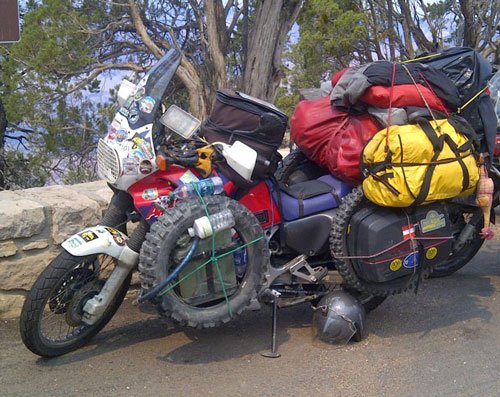
What to pack for a motorbike tour in France, Germany, Switzerland and Italy
A rider's checklist for European touring: documents, country-specific legal kit, riding gear, tools, navigation, comfort, money, medical, and the day-before checks.
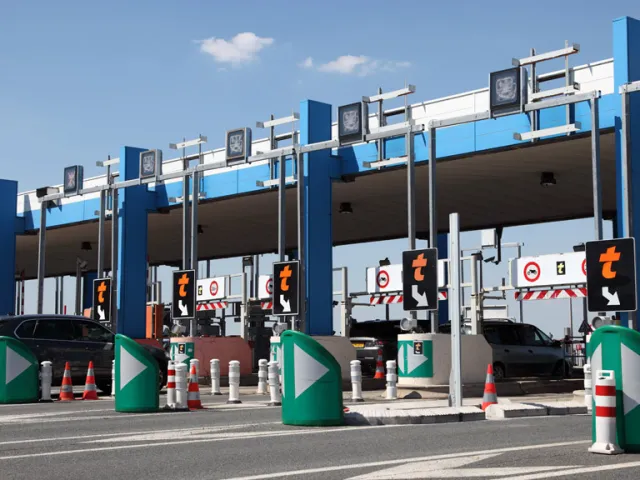
How to use French toll roads on a motorbike
How the péage system works, which lane to use, Liber-t electronic tags, the new Flux Libre barrier-less rollout, group ride logistics, and how to keep costs sensible.
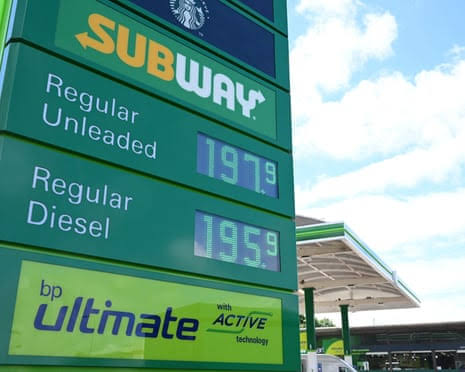
Fuel prices by country — petrol & diesel
Average pump prices for unleaded 95 and diesel across the EU, UK and US. Refreshed weekly from the EU Weekly Oil Bulletin, gov.uk and the U.S. EIA.